Growing up in the Philippines, I have countless memories of rushing to the gate whenever I heard that familiar call echoing through our neighborhood: “Tahoooo!” The sound of the taho vendor’s voice was like a siren song that could make any Filipino child drop whatever they were doing and grab their coins. Today, I’m excited to share with you my foolproof recipe for making this beloved Filipino street food delicacy right in your own kitchen.
Taho represents more than just a snack; it’s a cultural institution that brings together generations of Filipinos through shared childhood memories and the simple pleasure of enjoying something sweet and comforting. This silky-smooth treat, with its perfect balance of soft tofu, sweet arnibal syrup, and chewy sago pearls, has been satisfying Filipino taste buds for decades.
What Exactly Is Taho?
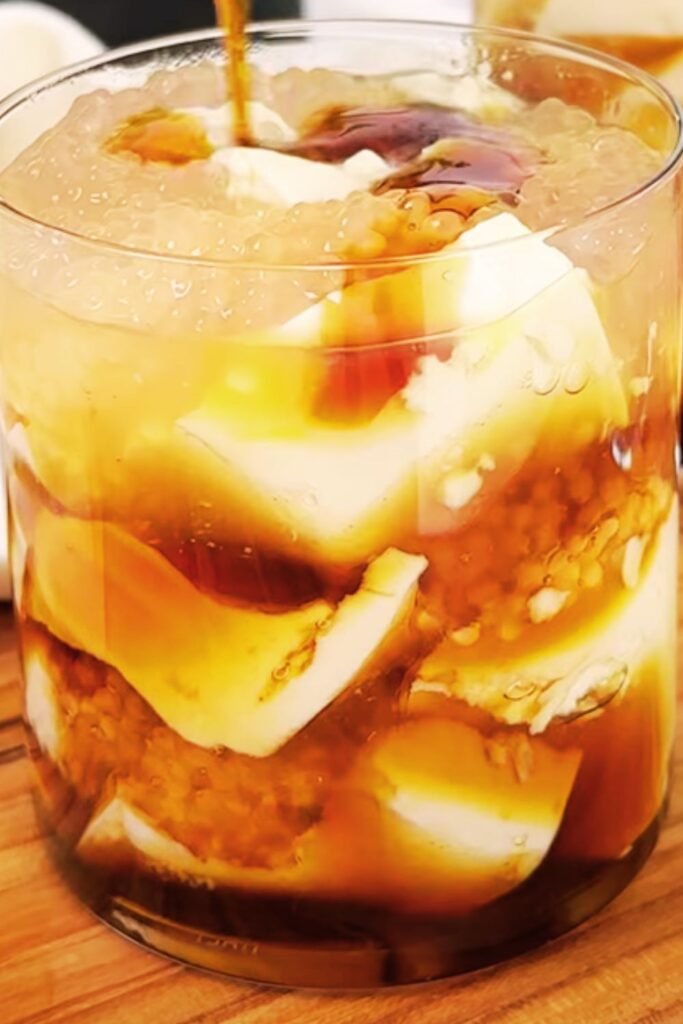
Taho : A traditional Filipino street food consisting of soft silken tofu topped with arnibal (brown sugar syrup) and sago pearls, typically served warm in cups or plastic containers
Arnibal : A sweet brown sugar syrup that serves as the primary sweetener for taho, made by caramelizing brown sugar with water until it reaches a thick, glossy consistency
Sago Pearls : Small, translucent spherical pearls made from sago starch that provide a chewy texture contrast to the smooth tofu
The beauty of taho lies in its simplicity. Unlike complex desserts that require numerous ingredients and elaborate preparation methods, taho achieves its magical appeal through the harmonious combination of just three main components. Each element plays a crucial role in creating the overall experience that makes taho so irresistible.
The Cultural Significance of Taho
Before diving into the recipe, I want to share why taho holds such a special place in Filipino culture. This humble street food represents the ingenuity of Filipino vendors who transformed simple ingredients into something extraordinary. The taho vendor, or “magtataho,” is an iconic figure in Filipino neighborhoods, traveling from street to street with large aluminum containers, announcing their presence with that distinctive call.
The tradition of taho-making has been passed down through generations, with many vendors learning the craft from their parents or relatives. What started as a way to make a living has evolved into an art form that brings joy to communities across the Philippines. When I make taho at home, I’m not just preparing a snack – I’m participating in a cultural tradition that connects me to my heritage.
Essential Ingredients for Perfect Taho
Creating authentic taho requires attention to ingredient quality and proportions. Here’s what you’ll need for my tried-and-tested recipe:
Main Components
| Ingredient | Quantity | Purpose | Quality Tips |
|---|---|---|---|
| Silken Tofu | 2 blocks (14 oz each) | Base protein component | Choose extra-soft silken tofu for authentic texture |
| Brown Sugar | 1 cup packed | Creates arnibal syrup | Dark brown sugar provides richer flavor |
| Water | 1/2 cup | Dilutes arnibal to proper consistency | Use filtered water for cleaner taste |
| Sago Pearls | 1/2 cup dried | Adds textural contrast | Small pearls (2-3mm) work best |
| Vanilla Extract | 1 teaspoon | Enhances overall flavor | Pure vanilla extract recommended |
| Salt | 1/8 teaspoon | Balances sweetness | Fine sea salt preferred |
Optional Flavor Enhancers
| Addition | Quantity | Effect | When to Add |
|---|---|---|---|
| Pandan Extract | 1/2 teaspoon | Subtle floral aroma | During arnibal preparation |
| Coconut Milk | 2 tablespoons | Creamier texture | Mixed with tofu |
| Cinnamon | 1/4 teaspoon | Warm spice note | During syrup simmering |
| Lemon Juice | 1 teaspoon | Brightens flavor | Added to finished arnibal |
The key to exceptional taho lies in using the highest quality silken tofu you can find. I always look for tofu that feels firm in the package but yields gently to pressure. The texture should be smooth and custard-like, without any graininess or separation.
Step-by-Step Taho Preparation
Preparing the Sago Pearls
Start with the sago pearls since they require the longest cooking time. I’ve learned through trial and error that properly cooked sago pearls can make or break your taho experience.
- Rinse the sago pearls under cold running water until the water runs clear. This removes excess starch that could make your final product cloudy.
- Bring 4 cups of water to a rolling boil in a medium saucepan. The large amount of water prevents the pearls from sticking together.
- Add the sago pearls gradually while stirring constantly. Don’t dump them all at once, or they’ll clump together irreversibly.
- Cook for 15-20 minutes, stirring every 3-4 minutes to prevent sticking. The pearls are done when they become completely translucent with no white center remaining.
- Drain and rinse immediately with cold water to stop the cooking process. I like to rinse them several times until they feel less sticky.
- Set aside in a bowl covered with a damp cloth to prevent them from drying out.
Creating the Perfect Arnibal

The arnibal is where the magic happens. This isn’t just melted sugar – it’s a carefully crafted syrup that requires patience and attention.
- Combine brown sugar and water in a heavy-bottomed saucepan. I prefer using a stainless steel pan because it allows me to see the color changes clearly.
- Heat over medium-low heat without stirring until the sugar completely dissolves. Stirring too early can cause crystallization, which will ruin your smooth syrup.
- Once dissolved, increase heat to medium and allow the mixture to simmer. You’ll notice it starting to bubble more vigorously.
- Continue cooking for 8-12 minutes until the syrup thickens and coats the back of a spoon. The color should deepen to a rich amber brown.
- Add vanilla extract and salt during the last minute of cooking. These additions enhance the complexity of the flavor profile.
- Remove from heat and let cool slightly. The syrup will continue to thicken as it cools, so don’t worry if it seems a bit thin while hot.
Preparing the Silken Tofu
Handling silken tofu requires a gentle touch to maintain its delicate texture.
- Carefully remove tofu from packaging and drain any excess liquid. I usually let it sit on paper towels for a few minutes.
- Cut into serving-sized cubes or leave in larger pieces if you prefer. Some people like to mash it slightly for a more traditional texture.
- Warm the tofu gently by placing it in a steamer basket over simmering water for 3-5 minutes. This step is crucial for authentic taho – it should be served warm, not cold.
- Keep warm until ready to serve. I usually cover the steamer with a lid to retain heat and moisture.
Assembly and Serving Techniques
Traditional Assembly Method
The way you assemble taho affects both its appearance and taste distribution. Here’s my preferred method:
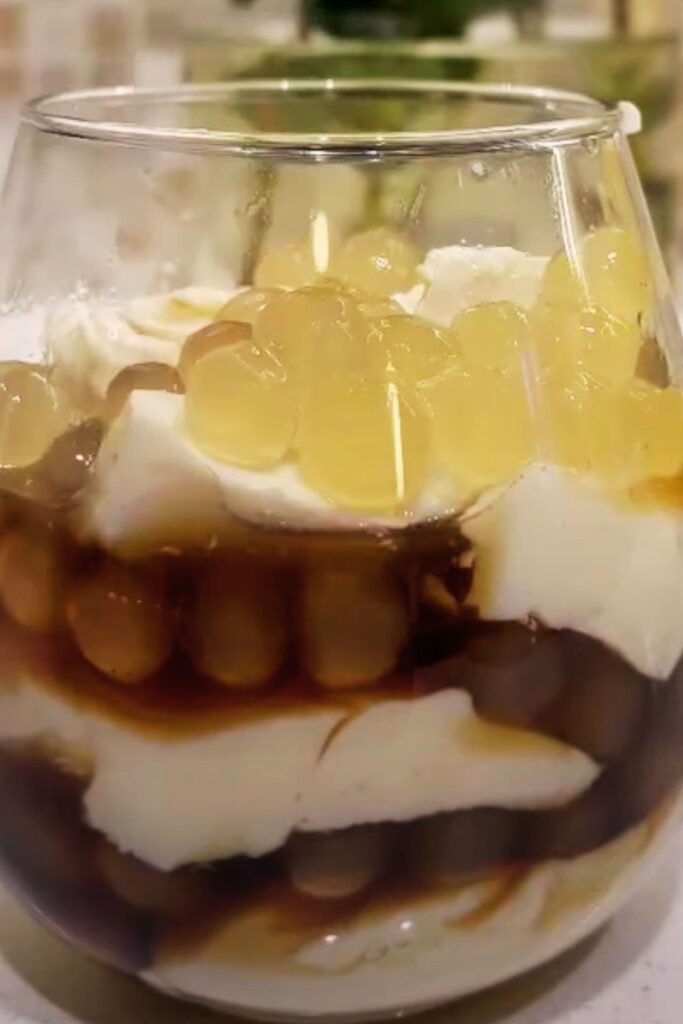
- Place 3-4 tablespoons of cooked sago pearls in the bottom of each serving cup or glass.
- Gently add the warm silken tofu on top of the sago, filling about 3/4 of the container.
- Drizzle 2-3 tablespoons of arnibal over the tofu, allowing it to seep down through the layers.
- Serve immediately while still warm with small spoons or traditional taho spoons.
Presentation Tips
| Aspect | Recommendation | Why It Matters |
|---|---|---|
| Container Choice | Clear glasses or traditional cups | Shows beautiful layering effect |
| Temperature | Serve warm, not hot | Prevents burning tongue while maintaining comfort |
| Garnish | Light dusting of cinnamon | Adds visual appeal and subtle flavor |
| Spoon Selection | Small dessert spoons | Allows for proper ratio of all components |
Advanced Techniques and Variations
Flavor Variations I’ve Perfected
Over the years, I’ve experimented with numerous taho variations that maintain the essence of the original while adding exciting new dimensions.
Ube Taho: Add 2 tablespoons of ube extract to your tofu for a beautiful purple color and nutty flavor. This variation has become incredibly popular in recent years.
Mango Taho: Incorporate fresh mango puree into the arnibal for a tropical twist that’s perfect during mango season.
Chocolate Taho: Mix cocoa powder with the arnibal for a rich, chocolatey version that appeals to kids and adults alike.
Coconut Taho: Replace some of the water in the arnibal with coconut cream for a richer, more indulgent experience.
Professional-Level Tips
Through years of making taho, I’ve discovered several techniques that separate good taho from exceptional taho:
Temperature Control: The ideal serving temperature for taho is warm but not scalding – around 120-130°F (49-54°C). This temperature allows you to taste all the flavors without burning your tongue.
Syrup Consistency: Your arnibal should coat a spoon but still flow easily. If it’s too thick, add a tablespoon of hot water and stir gently.
Texture Balance: The ratio of tofu to sago should be approximately 4:1. Too many sago pearls overwhelm the delicate tofu, while too few don’t provide enough textural contrast.
Make-Ahead Strategy: You can prepare all components up to 6 hours in advance. Store sago pearls in their cooking liquid, keep arnibal covered at room temperature, and refrigerate tofu until ready to warm and serve.
Nutritional Benefits and Health Considerations
Nutritional Profile
| Component | Per Serving | % Daily Value | Key Nutrients |
|---|---|---|---|
| Calories | 180-220 | 9-11% | Energy from complex carbs |
| Protein | 8-12g | 16-24% | Complete proteins from tofu |
| Carbohydrates | 25-30g | 8-10% | Quick and sustained energy |
| Fat | 4-6g | 6-9% | Healthy plant-based fats |
| Fiber | 1-2g | 4-8% | Digestive health support |
| Calcium | 150-200mg | 15-20% | Bone health maintenance |
Health Benefits
Taho offers several nutritional advantages that make it more than just a treat:
High-Quality Protein: Tofu provides all essential amino acids, making it an excellent protein source for vegetarians and vegans.
Low Saturated Fat: Unlike many desserts, taho contains minimal saturated fat, making it heart-friendly when consumed in moderation.
Isoflavones: The soy in tofu contains beneficial plant compounds that may support heart health and hormonal balance.
Digestibility: The soft texture makes taho easy to digest, suitable for people with sensitive stomachs or dental issues.
Troubleshooting Common Issues
Problem-Solution Guide
| Problem | Cause | Solution | Prevention |
|---|---|---|---|
| Lumpy arnibal | Sugar crystallized | Strain through fine mesh, reheat gently | Don’t stir during initial dissolving |
| Mushy sago | Overcooked pearls | Start with fresh batch, reduce cooking time | Test pearls every 2-3 minutes |
| Cold taho | Poor temperature management | Rewarm tofu gently before serving | Keep all components warm until assembly |
| Bland flavor | Insufficient arnibal or seasoning | Add more syrup, check salt balance | Taste-test syrup during cooking |
| Watery consistency | Too much liquid in components | Drain excess liquid, thicken arnibal | Measure ingredients precisely |
Storage and Reheating
Proper storage ensures you can enjoy leftover taho safely:
Refrigeration: Store assembled taho for up to 2 days in the refrigerator. The flavors actually meld beautifully overnight.
Reheating: Warm gently in the microwave for 20-30 seconds, or steam for 2-3 minutes. Avoid overheating, which can change the tofu’s texture.
Component Storage: Store sago pearls, arnibal, and tofu separately for best results. They’ll keep for 3-5 days refrigerated.
Serving Suggestions and Pairings
Traditional Serving Context
Taho is traditionally enjoyed as an afternoon snack, but I’ve found it works wonderfully in various settings:
Morning Treat: Serve alongside fresh fruit for a protein-rich breakfast alternative.
Dessert Option: Present in elegant glasses after a light meal for a satisfying, not-too-heavy dessert.
Party Food: Prepare individual portions for gatherings – they’re always a conversation starter.
Comfort Food: Enjoy while reading or watching television for a nostalgic, comforting experience.
Complementary Beverages
| Beverage | Why It Works | Serving Suggestion |
|---|---|---|
| Filipino Barako Coffee | Bold flavors complement sweet taho | Serve coffee slightly cooled |
| Jasmine Tea | Light, floral notes don’t compete | Brew tea at medium strength |
| Fresh Coconut Water | Refreshing contrast to rich sweetness | Chill coconut water thoroughly |
| Calamansi Juice | Citrus cuts through richness | Dilute juice to taste |
Cultural Etiquette and Traditions
Proper Taho Etiquette
Understanding how taho is traditionally consumed enhances the entire experience:
Eating Method: Use small spoons to get a bit of each component in every bite. Some people prefer to stir everything together, while others maintain the layers.
Sharing Protocol: When sharing taho, it’s customary to offer the first taste to elders or guests as a sign of respect.
Vendor Appreciation: If you’re inspired to seek out street vendors after making your own, remember that a simple “salamat” (thank you) goes a long way.
Frequently Asked Questions
Q: Can I make taho without sago pearls? You can substitute tapioca pearls, small boba, or even canned lychees cut into small pieces. However, sago pearls provide the most authentic texture and are worth seeking out at Asian grocery stores.
Q: How long does homemade arnibal last? Properly stored arnibal keeps for up to two weeks in the refrigerator. Store it in a covered container and rewarm gently before using. You might notice some crystallization, which is normal – just warm it slightly to redissolve.
Q: Is there a vegan version of this recipe? This recipe is already completely vegan! Silken tofu is made from soybeans, and all other ingredients are plant-based. It’s a perfect dessert for vegans who want to enjoy traditional Filipino flavors.
Q: What’s the best way to achieve the perfect arnibal consistency? The key is patience and gentle heat. Your arnibal should coat a spoon but still flow freely. If it gets too thick, add hot water one tablespoon at a time. If it’s too thin, continue cooking until it reduces to the right consistency.
Q: Can I freeze leftover taho? I don’t recommend freezing assembled taho because the tofu’s texture changes dramatically when frozen. However, you can freeze cooked sago pearls for up to one month and arnibal for up to three months.
Q: Why does my tofu break apart when I try to serve it? This usually happens when the tofu is too cold or you’re handling it too roughly. Always warm your tofu gently and use a large spoon to transfer it carefully. Extra-soft silken tofu is more fragile but provides the best texture.
Q: How can I make my taho less sweet? Reduce the amount of arnibal or add a pinch more salt to balance the sweetness. You can also dilute the arnibal with a small amount of water or add a few drops of lemon juice for brightness.
Q: What’s the difference between store-bought and homemade arnibal? Homemade arnibal has a more complex flavor profile and you control the sweetness level. Store-bought versions often contain preservatives and may be overly sweet. Making your own allows you to customize the flavor to your preference.
Making taho at home has become one of my favorite weekend activities. There’s something deeply satisfying about creating this beloved Filipino treat from scratch, and the results are always worth the effort. The combination of silky tofu, perfectly chewy sago pearls, and rich arnibal creates a symphony of textures and flavors that never fails to transport me back to those childhood moments of pure joy.
I encourage you to try this recipe and make it your own. Experiment with different flavors, adjust the sweetness to your liking, and most importantly, share it with people you care about. Food has an amazing ability to create connections and preserve cultural traditions, and taho is a perfect example of how something simple can carry so much meaning.
Whether you’re Filipino looking to recreate a taste of home or simply curious about exploring new flavors, this taho recipe will give you an authentic experience that honors the tradition while allowing for personal creativity. The next time you hear that distant call of “Tahoooo!” in your neighborhood, you’ll have a new appreciation for the skill and tradition behind this humble yet extraordinary treat.
